Buying your first home in Edison can feel exciting and overwhelming at the same time. Prices are not exactly starter-home simple, and the process in New Jersey has a few rules that catch first-time buyers off guard. The good news is that when you understand the market, the costs, and the steps, you can make smarter decisions with a lot less stress. Let’s dive in.
Why Edison attracts first-time buyers
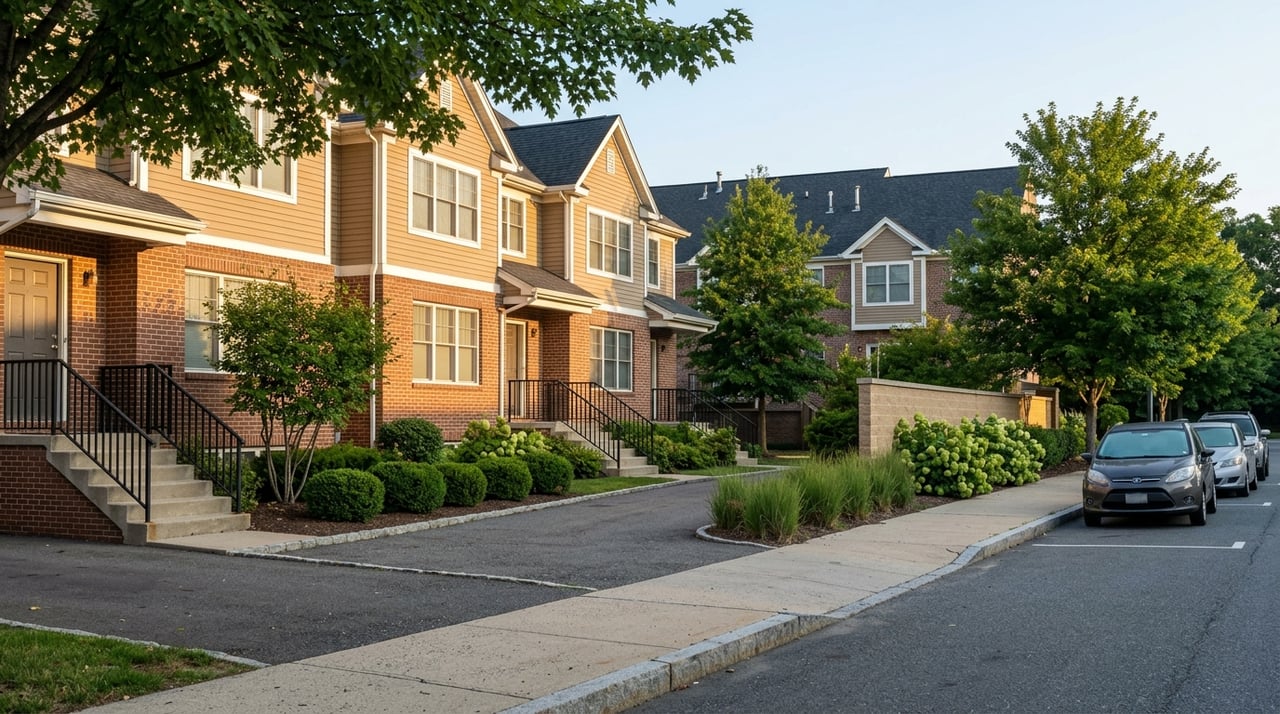
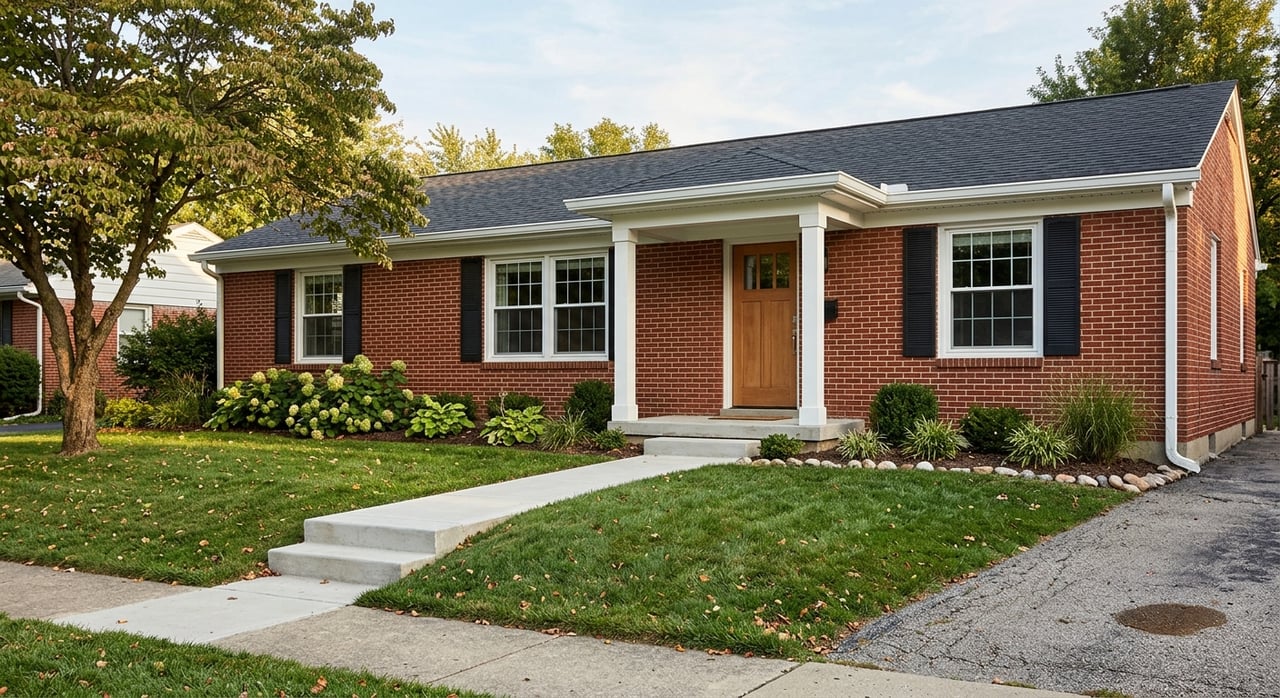
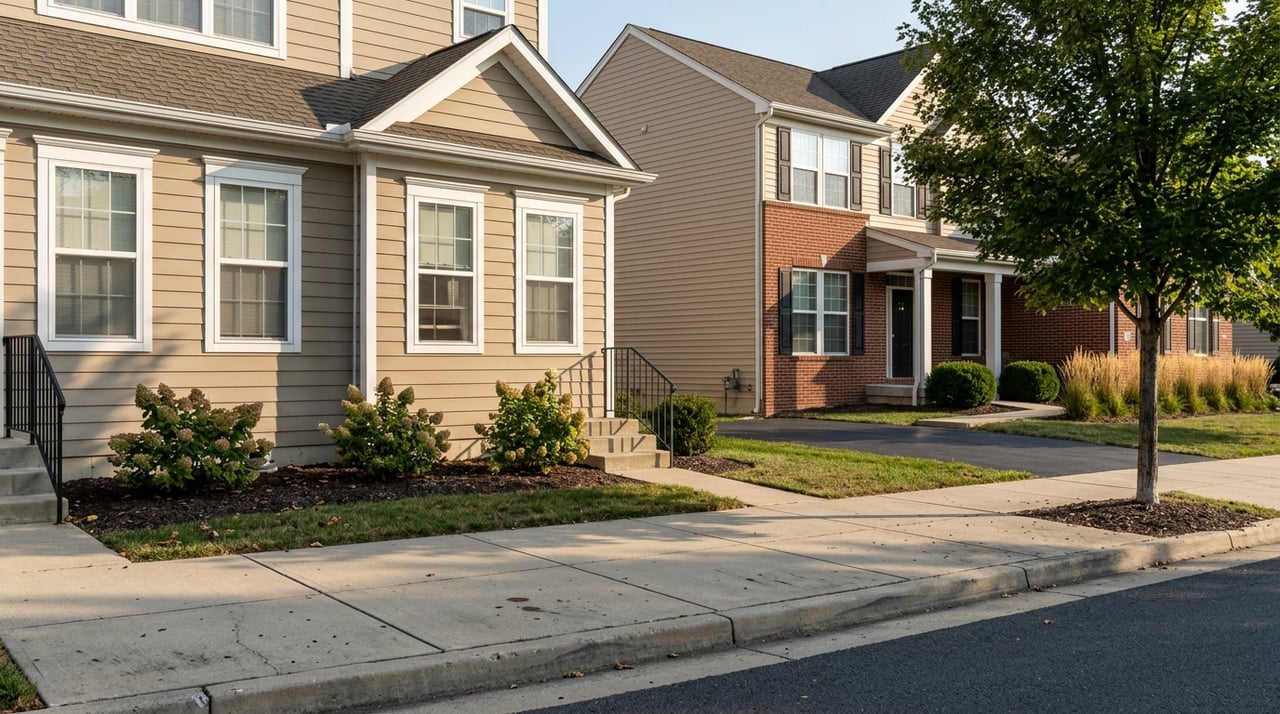
Edison gives you a wide range of housing options in a commuter-friendly Central New Jersey location. The local market includes condos, townhomes, ranch homes, split-level homes, colonials, raised ranches, and newer construction styles, so your search does not have to fit one narrow box.
Transit access also matters here. Edison Station sits on NJ Transit’s Northeast Corridor line, and that can influence both convenience and pricing depending on where a home is located. If you plan to commute, it is worth weighing location and budget together from day one.
What Edison home prices look like
Edison is an active market, but it is also a relatively expensive one for a first-time buyer. Recent public market trackers placed the market in roughly the mid-$500,000s to mid-$600,000s, with median or average figures ranging from about $544,719 to $634,102 in spring 2026.
Inventory and timing vary by source, but the big picture is clear. Realtor.com reported 266 active for-sale listings and a 100% sales-to-list price ratio in March 2026, while Zillow showed homes going pending in around 28 days as of late April 2026. That tells you Edison can still move quickly, especially when a home is well-priced and move-in ready.
Which homes may fit a first-time budget
If you are trying to keep your first purchase manageable, condos and townhomes may offer a more approachable entry point. Current Edison listings have ranged from about $305,000 for a condo up to well over $1 million for larger custom homes, with many townhomes and smaller homes landing in the $400,000s to $600,000s.
Single-family homes can still be an option, but the price range changes quickly based on style and condition. Redfin trend data showed ranch homes around a $500,000 median list price, while two-story homes were closer to $789,000. More updated homes with finished basements or other popular features reached much higher price points.
Why competition is not the same everywhere
One of the biggest mistakes first-time buyers make is assuming every home in Edison will draw the same level of competition. In reality, the market is segmented by price, style, and condition.
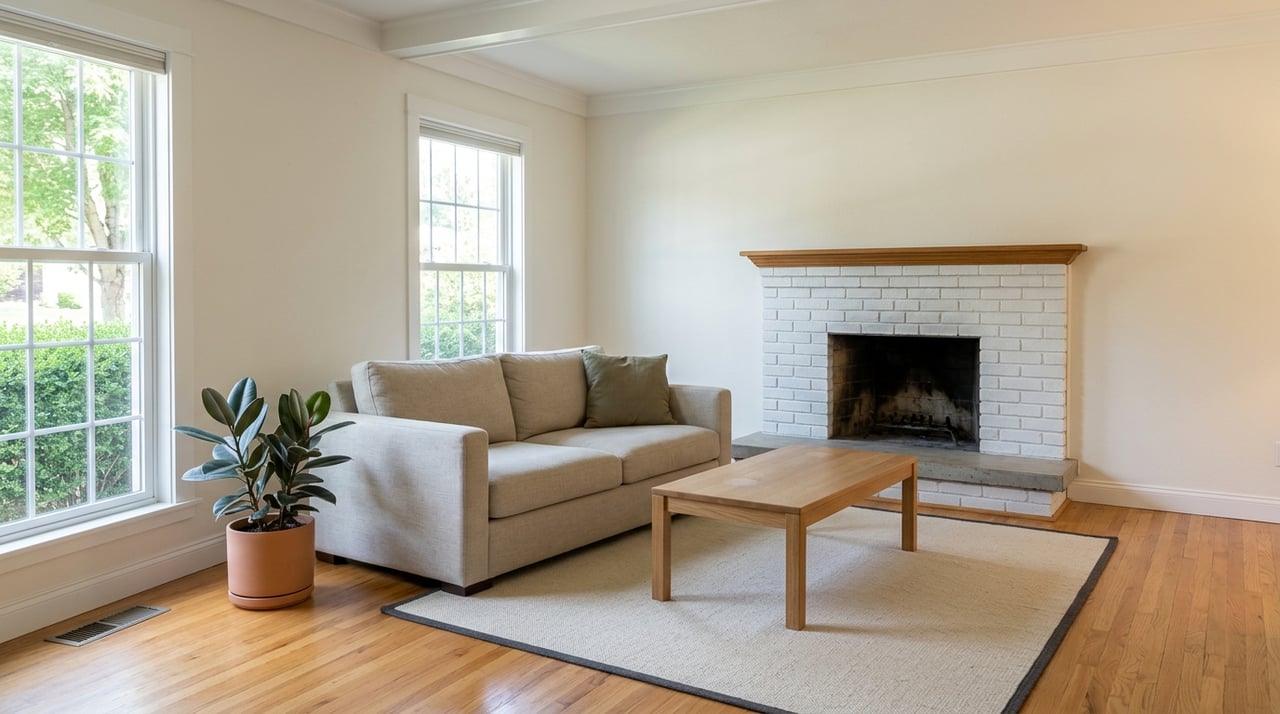
Move-in-ready homes with updated finishes can still attract strong offers. Some home-style categories in Edison posted sale-to-list ratios above 109% and up to 117%, which suggests that the most polished homes may still sell aggressively even if the broader market feels more balanced. If you want a renovated single-family home, you may need to act faster and write a stronger offer.
That does not mean you should stretch beyond your comfort zone. It means your strategy should match the type of home you want. A condo or townhome search may give you more financial breathing room, while a highly updated detached home may require more flexibility on timing and competition.
Start with preapproval, not browsing
Before you tour homes seriously, get preapproved. New Jersey real estate guidance recommends reviewing your finances, checking your credit, and getting a preapproval so sellers can see you are in a strong position.
It also helps you set a realistic budget before you fall in love with the wrong house. In Edison, where prices can shift a lot based on home type and location, that clarity matters.
Compare lenders carefully
Do not assume your first loan quote is your best one. The New Jersey Department of Banking and Insurance advises buyers to shop around and work with a licensed lender, and NJHMFA can help connect buyers with participating lenders.
Comparing lenders can help you understand interest rates, monthly payments, fees, and loan options more clearly. For a first-time buyer, that can make a meaningful difference in what feels affordable.
Look into NJHMFA assistance
If you qualify, New Jersey’s housing agency may offer meaningful help. NJHMFA says a first-time buyer is someone who has not owned a home in the previous three years, and qualified buyers may be eligible for up to $15,000 in down payment assistance.
First-generation buyers may be eligible for an additional $7,000. NJHMFA also offers a 30-year fixed government-insured mortgage option that can be paired with down payment assistance, which may help some Edison buyers get into the market sooner.
Budget beyond the purchase price
Your offer price is only part of the financial picture. In Edison, you also need to think about property taxes, closing costs, insurance, and the condition of the home you choose.
This is where first-time buyers often get surprised. A house that looks affordable at first glance may feel very different once the full monthly and upfront costs are added in.
Review property taxes on each home
In New Jersey, property taxes are assessed and collected at the municipal level to support municipal, county, and school budgets. That means you should review the actual tax bill for each Edison property rather than assuming homes with similar list prices will carry similar taxes.
This step matters a lot in your monthly payment. Two homes that seem close in price can have noticeably different carrying costs once taxes are included.
Plan for closing costs and insurance
NJ REALTORS recommends budgeting about 3% to 4% of the sale price for nonrecurring closing costs. You will also need homeowner’s insurance before closing.
It is important to understand what that insurance does and does not cover. NJ REALTORS notes that most homeowner policies do not cover floods, so that is another detail to review during due diligence if a property raises flood-related questions.
Understand the New Jersey buying process
New Jersey has a few transaction details that are especially important for first-time buyers. Knowing these steps ahead of time can help you feel more prepared and less pressured.
Offer and earnest money
When you make an offer, earnest money is typically included. According to the New Jersey consumer guide, that money becomes part of your down payment if the transaction closes.
Your offer should reflect both your budget and the reality of the specific home. In a more competitive Edison situation, a clean, well-supported offer can matter just as much as price.
Attorney review is a key New Jersey step
Once a fully signed contract is delivered, New Jersey’s attorney-review clause gives both buyer and seller three business days to consult an attorney. During that period, attorneys can suggest revisions or make the contract void.
This is one reason it is smart to line up your own New Jersey real estate attorney early. The buyer’s attorney is the one who represents your interests if questions or disputes come up.
Inspections and due diligence
After the contract becomes binding, a qualified home inspection is an important next step. NJ REALTORS says inspections should cover the structure, roof, plumbing, electrical, HVAC, interiors, and ventilation, and buyers can also ask about environmental conditions such as radon.
The New Jersey consumer guide adds that older homes may involve lead-disclosure issues. Other due-diligence items can include termite inspections, a survey, a flood search, smoke detector certification, and a certificate of occupancy.
Final walk-through and closing
Most New Jersey closings are face-to-face meetings and often take place at an attorney, real estate, or title insurance office. Before closing, NJHMFA recommends doing a final walk-through within 24 hours.
That last visit gives you a chance to confirm the home is in the expected condition before ownership transfers. It is a simple step, but it can prevent last-minute surprises.
A smart first-time strategy for Edison
If you are buying your first home in Edison, focus on three things: clarity, flexibility, and local guidance. Know your monthly comfort zone before you shop, stay open to different property types, and build a team that understands New Jersey’s process.
You do not need to know everything on day one. You just need a plan that fits your budget and goals. For many buyers, that means starting with condos or townhomes, comparing lenders carefully, reviewing taxes home by home, and staying realistic about competition for updated single-family properties.
A hands-on local guide can make a big difference here. When you have someone helping you compare options, explain the process clearly, and respond quickly when the right home appears, the entire experience feels more manageable.
If you are thinking about buying your first home in Edison, Michelle Wasko offers patient, practical guidance to help you understand your options and move forward with confidence.
FAQs
What is the typical first-time buyer price range in Edison, NJ?
- Edison listings have ranged from about $305,000 for some condos to over $1 million for larger homes, with many condos, townhomes, and smaller homes in the $400,000s to $600,000s.
What should first-time buyers know about Edison property taxes?
- In New Jersey, property taxes are assessed locally, so you should review the specific tax bill for each Edison home instead of relying on list price alone.
How competitive is the Edison, NJ housing market for first-time buyers?
- Competition depends on the property type and condition, but updated, move-in-ready homes can still draw strong offers and may sell above list in some cases.
What is attorney review in a New Jersey home purchase?
- After a fully signed contract is delivered, New Jersey allows a three-business-day attorney-review period when attorneys can suggest changes or cancel the contract.
Are there first-time homebuyer programs for Edison, NJ buyers?
- Yes. NJHMFA says qualified first-time buyers may be eligible for up to $15,000 in down payment assistance, and first-generation buyers may qualify for an additional $7,000.
How much should Edison buyers budget for closing costs?
- NJ REALTORS recommends budgeting about 3% to 4% of the sale price for nonrecurring closing costs, plus homeowner’s insurance before closing.