If your workweek pulls you toward New York City, New Brunswick, or job hubs along Route 1 and I-287, Edison stands out for one simple reason: it gives you more than one way to commute. That matters when you want options, not just a single train stop or a long highway drive. If you are thinking about buying or selling in Edison, understanding how the town functions for both NYC and local commuters can help you make a smarter move. Let’s dive in.
Why Edison works for commuters
Edison is not just a pass-through town on the map. It is a built-out Central New Jersey community with established rail service, major highway access, feeder bus connections, and a strong base of nearby employers. That mix gives you flexibility whether you commute every day, split time between home and the office, or need to reach several work locations during the week.
For many buyers, that flexibility is the real value. You are not choosing between a pure bedroom community and a pure job center. In Edison, you can live in a town that supports trips into Manhattan, drives to local offices, and access to major commercial corridors across Central Jersey.
Rail access from Edison
For New York City commuters, Edison Station is a major piece of the picture. The station sits on NJ TRANSIT’s Northeast Corridor Line and offers service to New York Penn Station. It also includes practical commuter features like parking, accessibility, Wi-Fi, and bike parking.
One detail that makes a difference is station parking. Edison Station lists 797 total parking spaces across three lots, which supports its role as a real park-and-ride option. If you are comparing commuter towns, that kind of capacity matters because it can shape your daily routine from the start.
The rail line is useful for more than NYC trips. Current Northeast Corridor service also connects riders southbound to places like New Brunswick, Princeton Junction, Hamilton, and Trenton. That means Edison can work well if your schedule takes you deeper into Central Jersey instead of only north toward Manhattan.
Why the station area matters
The area around Edison Station naturally draws attention from buyers who want easier access to transit. Township planning materials describe the station as part of a corridor network tied to redevelopment and bus service, even though much of Edison remains suburban in character. In practical terms, that means some parts of town may appeal more to buyers who want a shorter trip to the train or bus connections.
That does not mean Edison is a dense transit-first town across the board. It means the station area is one useful piece of a larger housing and commuting puzzle. If train access is high on your priority list, it is smart to compare housing options with that daily routine in mind.
Road access for local and regional travel
If you drive to work, Edison has another major advantage: strong highway connections. Township planning documents identify I-95, I-287, and Route 1 as major transportation corridors that shape how people move through the area. NJDOT also highlights the way Route 1 and the I-287 segment in Edison connect with Route 27, Route 1, and the New Jersey Turnpike.
For local commuters, this matters just as much as the train. A town with direct access to major roads can make it easier to reach business parks, medical employers, retail centers, and logistics areas without crossing half the region on smaller local roads. That can be especially helpful if your job location changes, your schedule is hybrid, or your household includes more than one commuter.
Edison is not car-only
Even with strong road access, Edison is not a one-mode town. The township’s 2023 commute profile shows that 58.4% of workers drove alone, 9.2% used public transportation, and 21.3% worked at home. The mean travel time to work was 34.4 minutes.
Those numbers tell a useful story. Driving still plays the biggest role, but public transit and work-from-home patterns are also part of everyday life in Edison. That blend helps explain why the town continues to appeal to different kinds of buyers, from daily rail riders to hybrid workers who only need station access a few days each week.
Local job centers add to Edison’s appeal
One of the biggest misconceptions about commuter towns is that they only work if you travel to New York City. Edison is broader than that. It also serves people who work in Edison itself, in nearby New Brunswick, or in commercial and industrial corridors across Middlesex County.
South Edison is home to major employment areas like Raritan Center and Heller Industrial Park. Township documents describe these as major commercial and light-industrial job centers, and note that Raritan Center alone has about 350 tenants and more than 15 million square feet of developed lease space.
Along Route 1, the township also identifies major commercial and institutional uses such as Menlo Park Mall, Edison Towne Square, Hackensack Meridian-JFK University Medical Center, and Middlesex College. That creates a more balanced commute story. You may be looking at Edison because of NYC train service, but the town also makes sense if your work is rooted closer to home.
What types of homes you will find
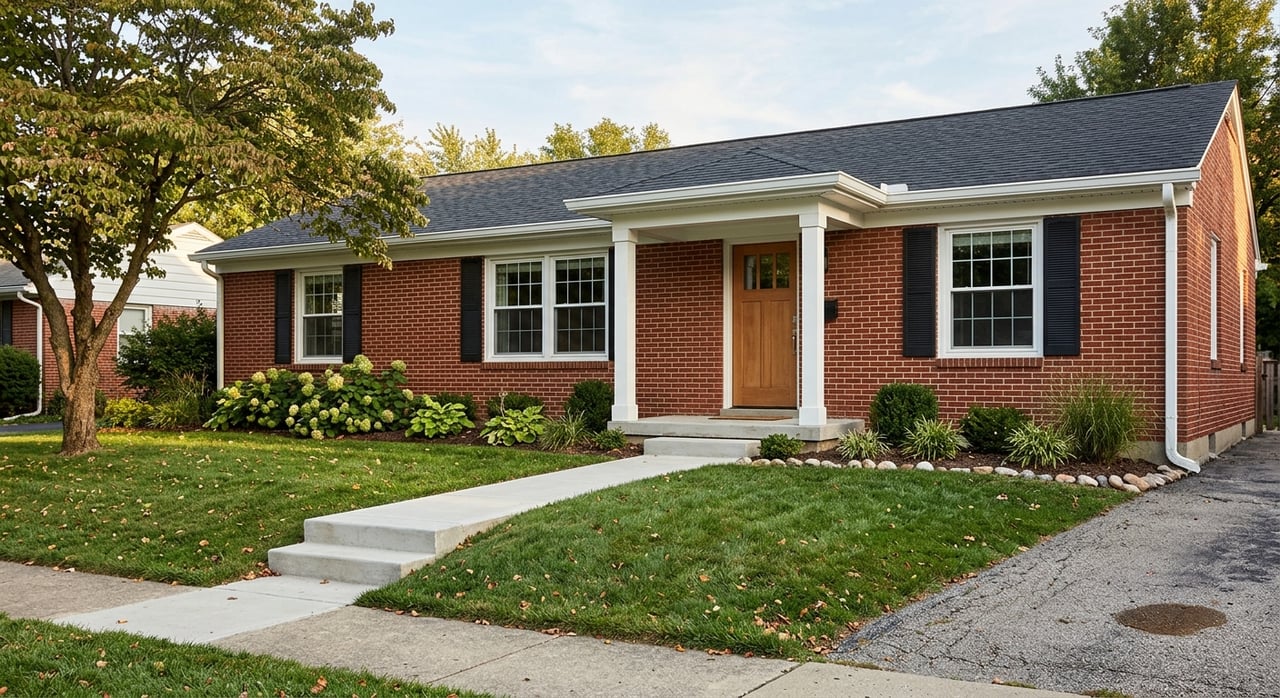
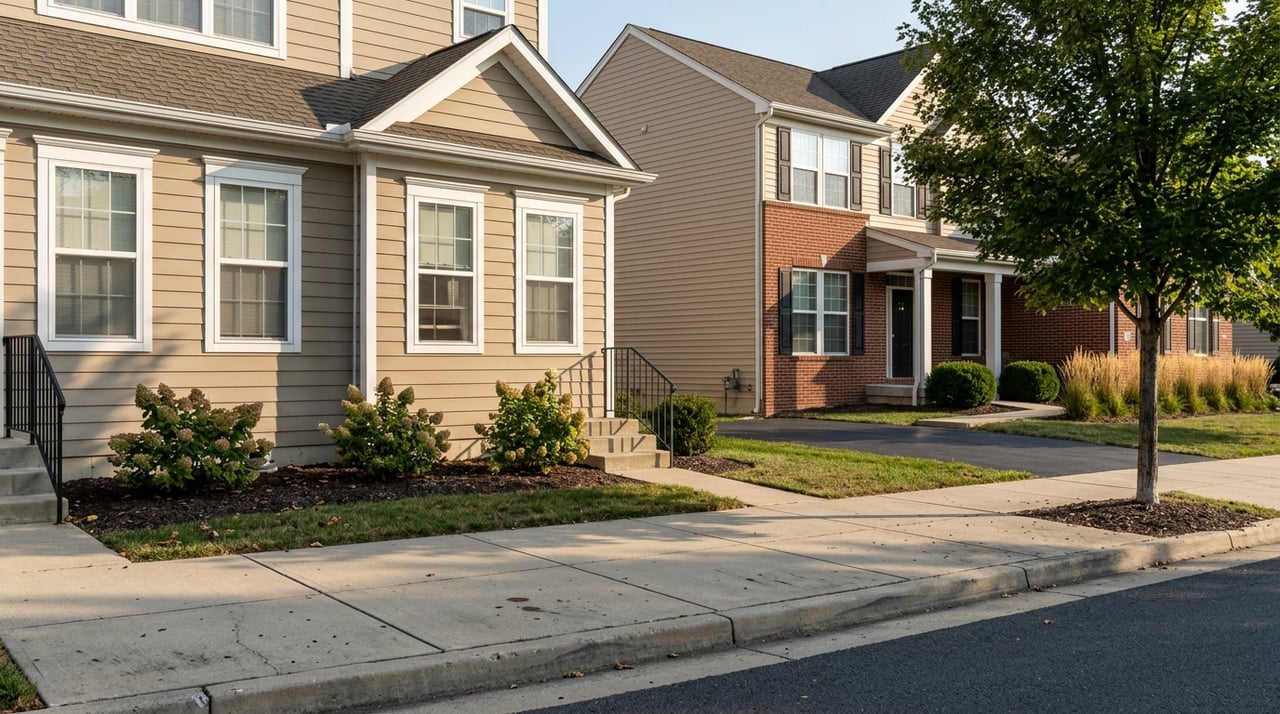
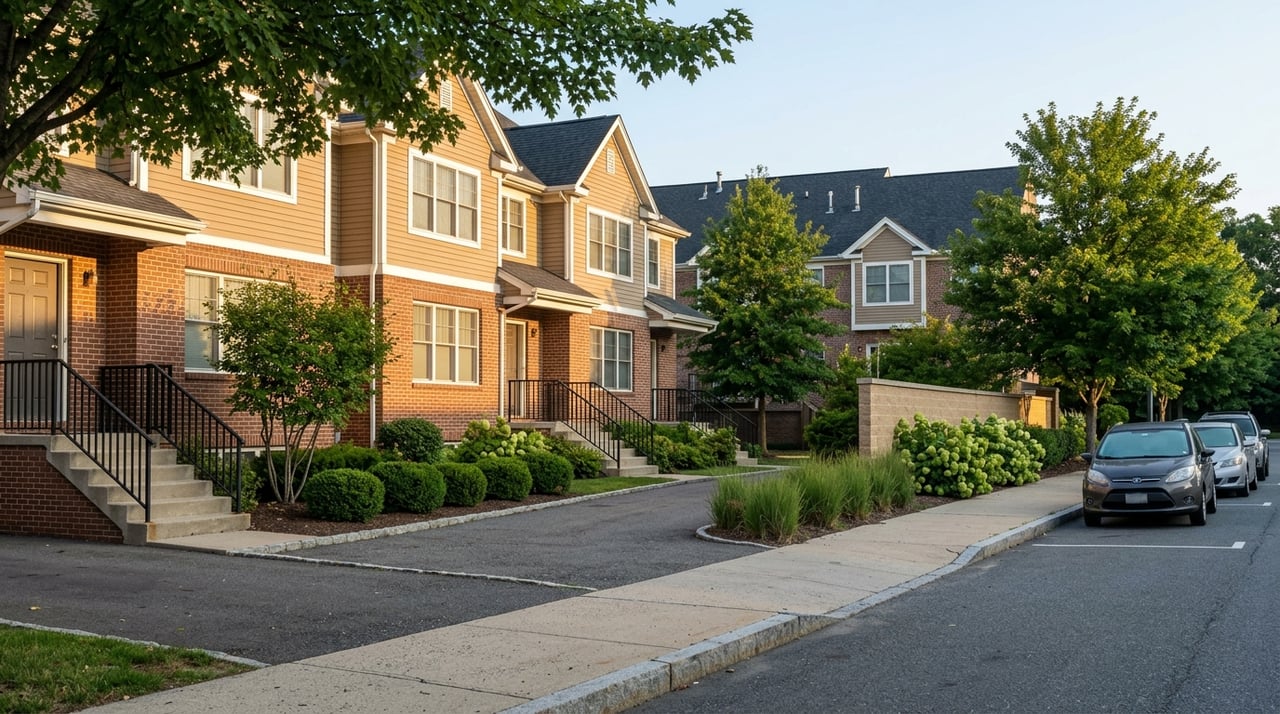
When buyers picture commuter-friendly housing, they sometimes assume that means mostly newer apartments near a station. Edison is more varied than that. The township counted 38,057 housing units in 2023, with 50.0% detached single-family homes, plus attached homes, smaller multifamily buildings, and larger apartment buildings.
That mix gives buyers and sellers several paths. If you want a detached home with more traditional suburban spacing, much of Edison fits that profile. If you prefer a townhouse, condo-style setting, or multifamily option in selected districts, those choices exist too.
A mature housing market, not a blank slate
Edison’s housing stock is older overall, which is important to understand as you plan your search. Township reporting says 56.8% of housing units were built before 1980, the median year built was 1974, and much of the town was developed in the 1950s through the 1970s. Over time, many homes have been updated, improved, or replaced.
For buyers, that often means you should expect a mix of original layouts, renovated interiors, and homes with different levels of updating. For sellers, it means pricing, presentation, and condition matter because buyers are often comparing older homes with different renovation histories. A hands-on local strategy can make a real difference in that kind of market.
Housing near commuter corridors
Edison’s biggest commercial corridor is Route 1, which is built around larger retail and big-box uses. Route 27, also known as Lincoln Highway, is more focused on neighborhood-scale business activity. Planning documents also note that certain parts of town near Edison Station and other corridor areas are linked to redevelopment patterns and mixed-use potential.
That does not mean the whole township is shifting toward large-scale new development. Edison is described as fully built out, with very little vacant land for major new housing construction. As a result, future commuter-oriented housing growth is more likely to come from redevelopment, infill, and mixed-use overlays than from large new subdivisions.
For buyers, this means inventory may come from a mix of established neighborhoods, attached housing communities, and selected redevelopment corridors. For sellers, it helps explain why location within Edison can influence buyer interest in very different ways depending on access to roads, transit, and commercial services.
Is Edison better for NYC or local commuters?
The short answer is both. If your goal is Manhattan access, Edison offers Northeast Corridor rail service to New York Penn Station and a station with meaningful parking capacity. If your work is in Central Jersey, Edison’s access to Route 1, I-287, and the Turnpike helps support trips to nearby job centers and regional business corridors.
That balance is what makes Edison so practical. You are not limited to one commute pattern. A household with two workers, different schedules, or changing office locations may find that Edison offers more flexibility than towns built around only one transportation mode.
What this means if you are buying
If you are shopping for a home in Edison, start by thinking about your real weekly routine instead of your ideal one. How many days will you take the train? Do you need parking at the station? Will you be driving to Route 1, New Brunswick, or a job center in south Edison? Those questions can help narrow the right area and property type.
It also helps to think beyond travel time alone. In a mature market like Edison, the right fit may involve balancing commute access with home style, lot size, maintenance needs, and budget. That is especially true if you are choosing between a detached home, townhouse, condo, or another lower-maintenance option.
What this means if you are selling
If you are selling in Edison, your home’s commuter story may be part of its value. Buyers often look at the full picture, including train access, road connectivity, nearby commercial corridors, and the type of housing available nearby. A home does not have to sit next to the station to benefit from Edison’s broader commuter appeal.
The key is knowing how to position your property clearly and honestly. In a town with older housing stock and varied commuting patterns, buyers want practical information and realistic guidance. That is where thoughtful pricing, neighborhood context, and hands-on representation matter.
If you are trying to figure out whether Edison fits your commute, your budget, or your next move, working with someone who knows Central New Jersey can make the process feel a lot less overwhelming. If you want practical guidance on buying, selling, or understanding where Edison fits in the local market, connect with Michelle Wasko.
FAQs
Is Edison, NJ a good choice for New York City commuters?
- Yes. Edison Station is on NJ TRANSIT’s Northeast Corridor Line with service to New York Penn Station, and the station includes 797 parking spaces across three lots.
Is Edison, NJ also good for Central Jersey commuters?
- Yes. Edison has access to Route 1, I-287, and the New Jersey Turnpike, which helps support commutes to local job centers in Edison, New Brunswick, and nearby commercial corridors.
What kinds of homes are common in Edison, NJ for commuters?
- Edison is still led by detached single-family housing, but it also includes attached homes, townhouses, apartments, and other multifamily options in selected districts and corridor areas.
Is Edison Station parking useful for daily commuters?
- Yes. NJ TRANSIT lists 797 total spaces across three lots at Edison Station, which supports its role as a park-and-ride option for many commuters.
Is Edison, NJ mostly new construction near transit?
- No. Edison is a built-out township with older housing stock overall, so commuter-oriented options are more often found through existing neighborhoods, multifamily pockets, redevelopment, and infill rather than large new subdivisions.