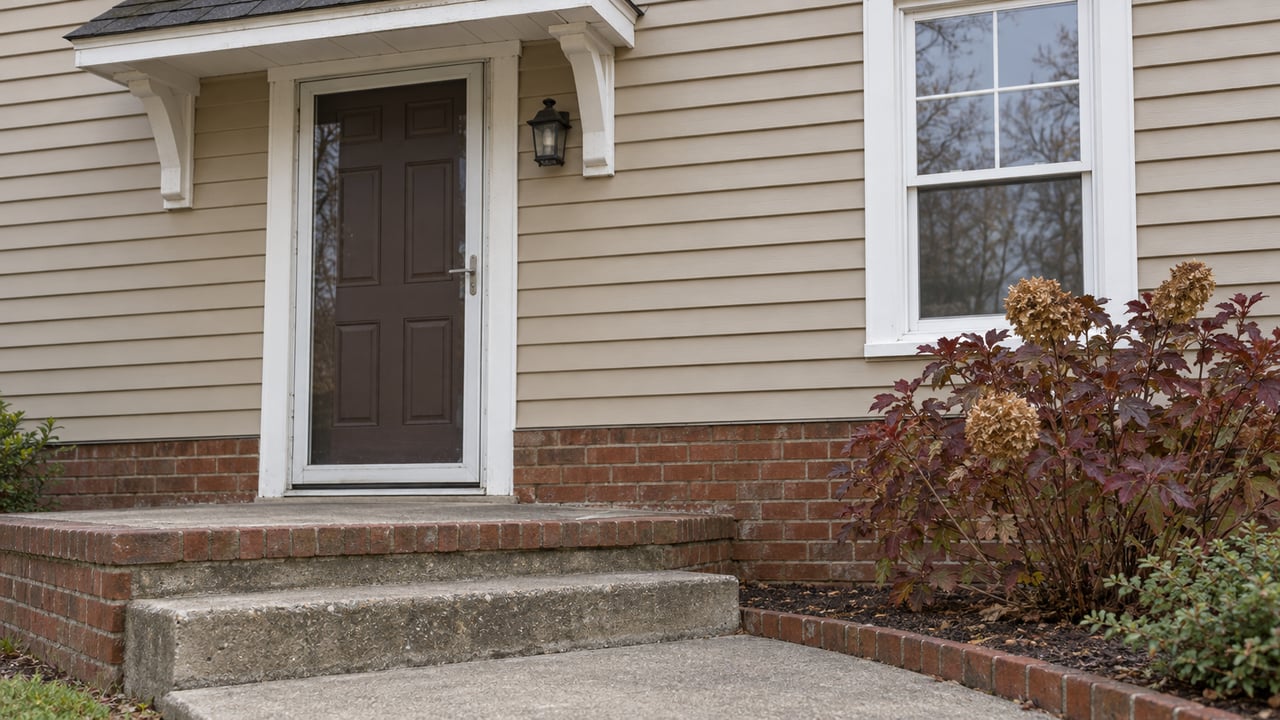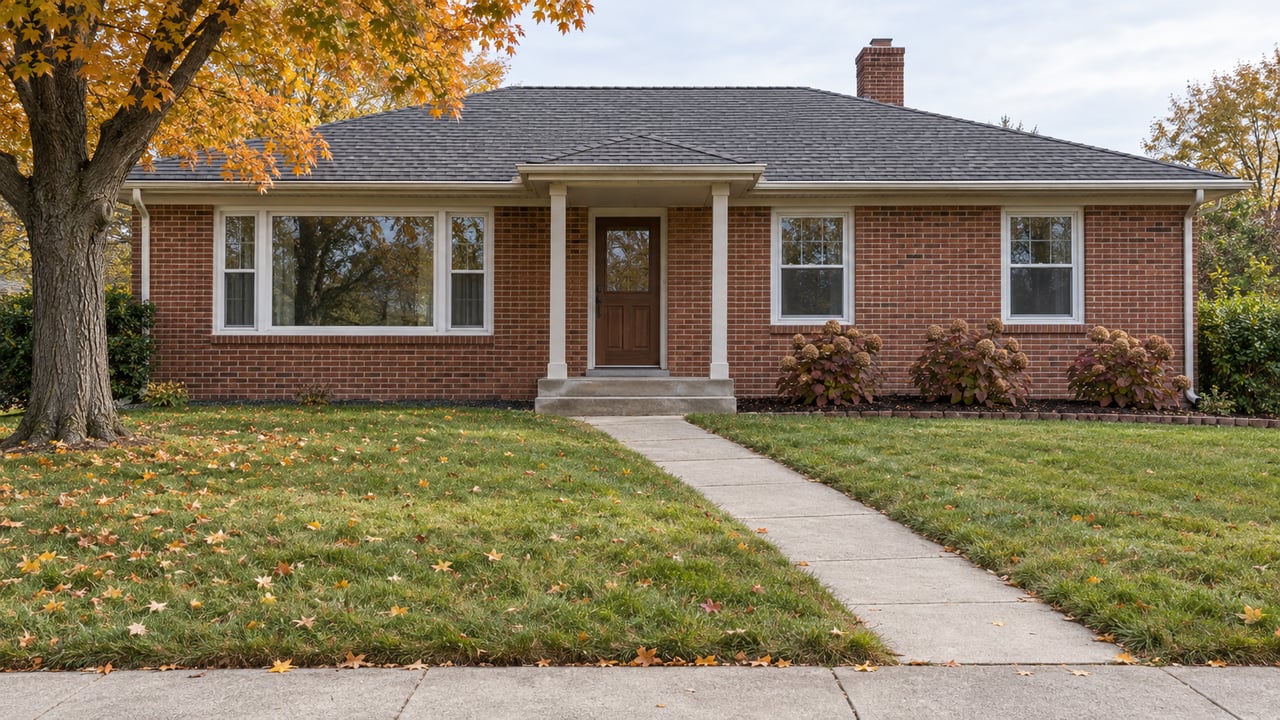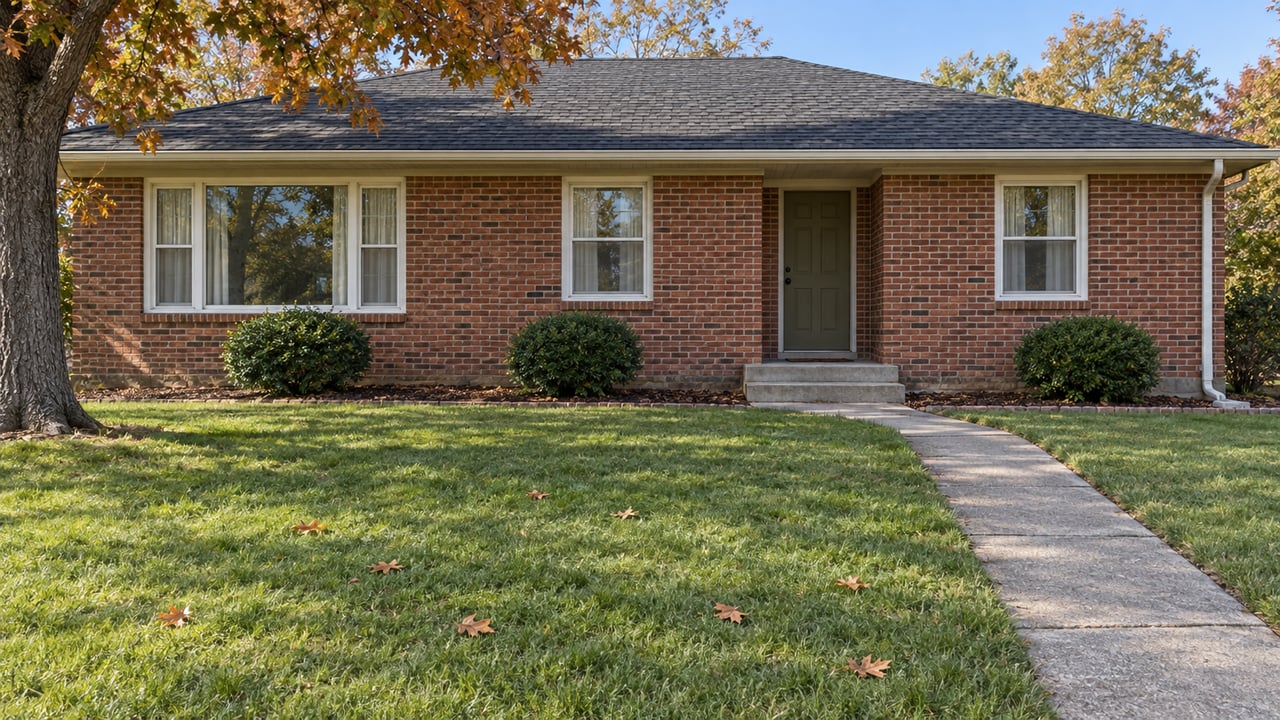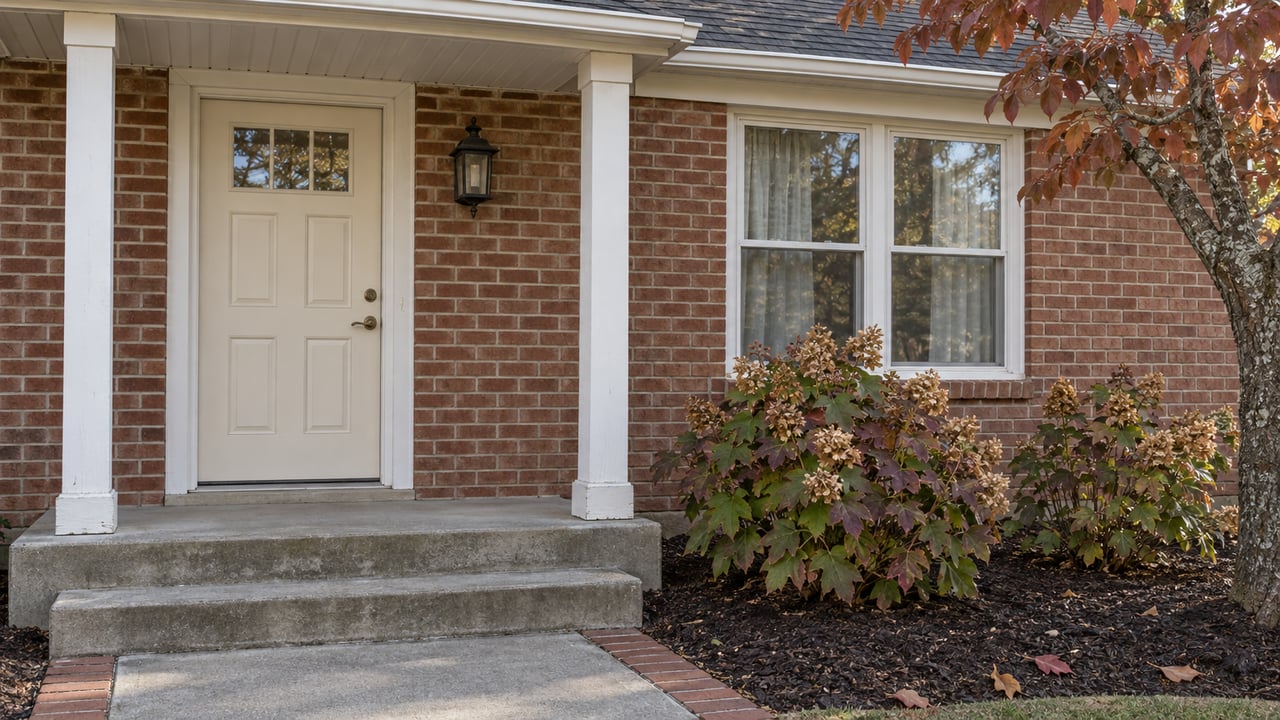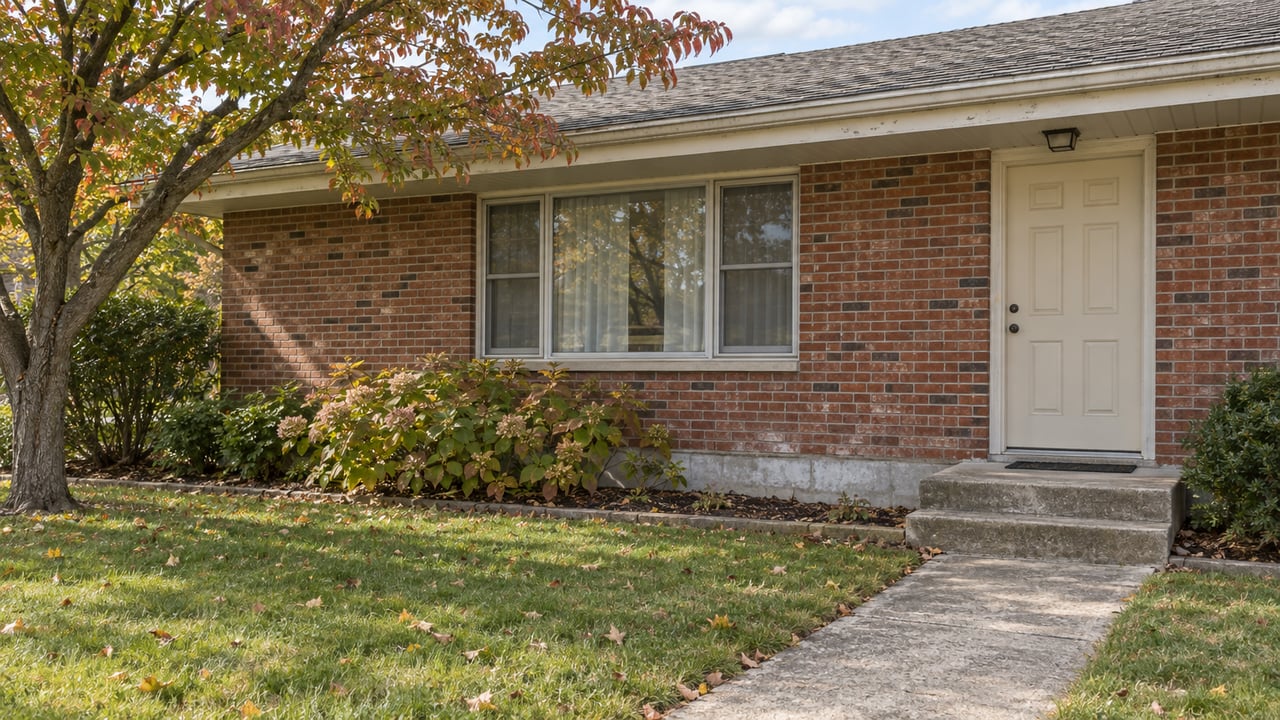
A rusted pipe cap sitting flush in the lawn a few feet from the driveway. A patch of grass that never quite grows in the same way as the rest of the yard, no matter how much seed goes down. A basement wall with two capped pipes where a furnace line used to run. None of these things look like much on their own. In an older Parlin home, they are often the first physical trace of a heating oil tank that has been sitting underground since before the current owner bought the house, sometimes since before the current owner was born.
That trace matters more in Parlin than it does in a lot of Central Jersey towns, and the reason has nothing to do with luck. It has to do with when the neighborhood was built.
Why the 1947 boom still shows up on inspection day
Parlin's housing stock is not a mix of eras the way some towns are. The Sayreville Historical Society's own timeline marks 1947 as the year the postwar housing boom began in earnest, as clay companies sold off the industrial land that separated the borough's neighborhoods and developers moved in fast. Through the 1950s, that land turned into the developments that still make up much of Parlin and the surrounding sections of Sayreville: Laurel Park, which grew to more than 500 families, along with Pershing Park, President Park, Deerfield Estates, Hope Homes, and Parkway Homes. Older sections like Melrose and MacArthur Manor carry housing from the 1940s and earlier, much of it Cape Cod, colonial, and bungalow style.
That construction window lines up almost exactly with the era when oil heat was the standard way to warm a New Jersey home. Environmental contractors who work across the state describe the same pattern over and over: homes built before the 1980s and often before 1975 were routinely built with underground storage tanks, and when those homes converted to natural gas, the tank frequently stayed in the ground rather than coming out. Some were reported to the township. Many were not.
So the fill pipe in the yard or the capped line in the basement is not a random defect that happened to show up on one unlucky property. It is a leftover from the exact building boom that created the neighborhood, sitting under thousands of similar lots built in the same handful of years.
What the paperwork means for a sale
Here is where the paperwork gets misleading if you only read the first line of it. New Jersey does not have a statute that requires every homeowner to dig up and remove an underground oil tank simply because it exists. If the tank is not leaking, there is no state law forcing its removal.
In practice, that legal fact rarely changes how a sale actually goes. According to Oil Tank Removal NJ, New Jersey sellers must disclose any known oil tank on the Seller's Property Condition Disclosure Statement. Once a tank is known, it has to be disclosed to every buyer who comes after, whether or not the current owner ever used it. NJ Closing Guide explains that a licensed contractor pulls permits and the tank removal gets an independent building department inspection.
A tank can still complicate a sale. Buyers who find one during their inspection window almost always ask for removal as a condition of moving forward.
What a sweep actually costs, and what happens if it finds something
A tank sweep, the inspection that uses metal detection or ground-penetrating radar to check whether a buried tank exists at all, is a small expense relative to everything downstream of it. Contractors working in New Jersey commonly price a sweep at roughly $100 to $300, and it is typically the buyer who pays for it during attorney review or the broader inspection period.
If the sweep finds a tank, the numbers change quickly. Legal and environmental sources working in New Jersey put a routine underground removal, permits, excavation, soil sampling, and backfill included, at roughly $1,500 to $3,500 when the soil comes back clean. If it does not come back clean, remediation costs commonly start around $8,000 and climb from there depending on how much soil is affected and whether groundwater is involved.
Why waiting costs more than looking early
A clean tank removal, done on a normal timeline with no surprises, typically takes two to six weeks from permit to closure. That is workable inside most real estate contracts if it happens before the property ever hits the market.
The problem shows up when the tank surfaces for the first time during a buyer's inspection window, after the house is already under contract with a closing date on the calendar. At that point the same two-to-six-week process is now competing against a deadline the seller does not control, and if contamination turns up mid-removal, the timeline can stretch to months, well past the date everyone originally agreed to. The buyer, who now has both the upper hand and a documented issue, is in a strong position to raise that issue with the seller.
The difference between those two situations is not the tank. It is when it gets found.
| When it gets addressed | Typical cost | Typical timeline |
|---|---|---|
| Sweep before listing, nothing found | Roughly $100 to $300 | A single visit |
| Tank found and removed before listing, soil clean | Roughly $1,500 to $3,500 | 2 to 6 weeks |
| Tank discovered during a buyer's inspection window | Same removal range, plus renegotiated price or credit | Same 2 to 6 weeks, now racing the closing date |
| Contamination confirmed during removal | Starts around $8,000 and climbs | Can stretch to months |
What this means if you're selling an older Parlin home
Given how much of Parlin's housing was built in that same postwar window, a seller who assumes their home is the exception is making a bet against fairly long odds. Ordering a sweep before listing costs a few hundred dollars and, if nothing turns up, closes the question permanently. If something does turn up, handling it on your own schedule rather than the buyer's puts you in the position of listing a home with a documented, closed-out permit in hand, which is a very different conversation with a buyer than an open question found halfway through their inspection period.
If your home converted from oil to gas years ago, that conversion alone does not mean the tank is gone. The vent pipe and fill line get removed all the time while the tank itself stays buried. If you do not have paperwork showing a prior removal, that absence of documentation is itself worth treating as a reason to check rather than a reason to assume everything is fine.
What this means if you're buying an older Parlin home
Ask for tank documentation early, during attorney review rather than after you are emotionally attached to the house. If the seller has no record of removal and the home predates the 1980s, budget for a sweep as a routine part of due diligence rather than an unusual extra step. According to Look Smart Home Inspections, if a tank turns up, most homeowners insurance policies do not cover oil pollution unless the policy specifically includes that endorsement, so factor remediation risk into your offer rather than assuming a future claim will cover it.
A few quick questions
How would I even know if my Parlin home has one? Look for a fill pipe or vent pipe near the foundation, capped lines in the basement near where a furnace used to sit, or an isolated patch of lawn that behaves differently from the rest of the yard. If you see none of that but the home predates the 1980s and has no removal paperwork, a professional sweep is the only reliable way to confirm either way.
Will my homeowners insurance cover a leak if one is found? Usually not automatically. Standard policies commonly exclude oil pollution unless a specific endorsement was added, so it is worth a call to your carrier before you assume coverage exists.
If you are getting ready to list an older Parlin home, or you are looking at one and want a straight answer about what a heating oil tank could mean for your timeline and your offer, Michelle Wasko can walk through it with you before it becomes a surprise instead of a plan. Let's Connect.
This article is general information, not legal, tax or financial advice. Consult a qualified professional about your situation.